

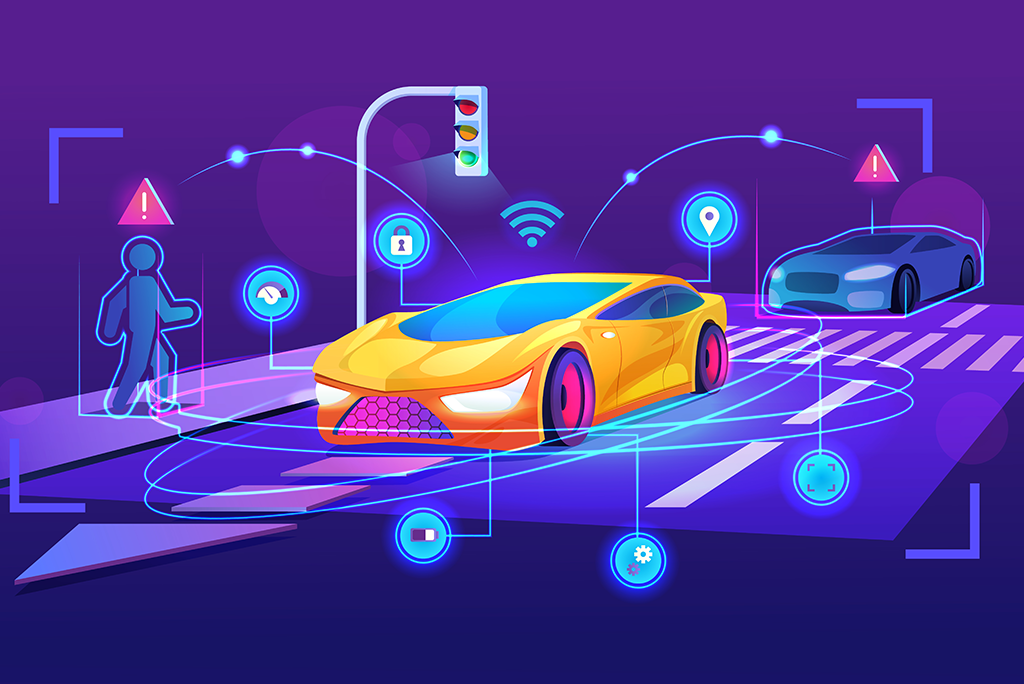
AVs are no longer solely the relegated territory of science fiction but are fast turning into a prime focus area in modern transportation’s evolution. With technology companies and automotive manufacturers, along with governments, investing huge sums in automation, the question would no more be if autonomous vehicles will become mainstream but how they will shape the next chapter of mobility. The future of AVs holds immense promise, but it equally demands thoughtful consideration of safety, adoption readiness, and the challenges ahead.
A New Era of Transportation Safety
Probably one of the strongest reasons for autonomous vehicles lies in their potential to massively reduce road incidents. The vast majority of road incidents today happen because of human error: impaired driving, distraction, and fatigue. With artificial intelligence, advanced sensors, and real-time data processing, those risks are totally eliminated. They would analyze the road conditions, anticipate hazards, and make informed decisions more swiftly and with an accuracy well beyond that achievable by humans.
Moreover, the AVs guarantee safer mobility to all those people who, because of their age, disabilities, or other health issues, cannot drive. With continued improvements in perception technologies such as LiDAR, radar, and computer vision, the day ahead appears more secure. Yet, ensuring the reliability of such systems in adverse weather conditions or capricious environments is a big engineering challenge.
Adoption Across Society and Industries
In a host of industries, the path to mainstream use of autonomous vehicles is already in view. Ride-hailing firms are already road-testing fleets of autonomous vehicles, while logistics companies are doing the same with autonomous delivery trucks, and cities are just beginning to accommodate AV-friendly infrastructure. These early deployments are important in helping earn the public’s trust and also showing real-world benefits.
Features like autopilot systems, adaptive cruise control, and automated parking reflect the growing interest from especially the younger generations of consumers. All these gradual steps help people get comfortable with the concept of a fully driverless car. Over the next decade, the adoption of AVs will continue to accelerate as costs go down, regulations mature, and infrastructure adapts.
Businesses are also likely to benefit immensely. Freight transport by autonomous vehicles could bring down delivery time and operating costs, while urban mobility may reduce congestion and open new economic opportunities.

Key Challenges on the Road Ahead
The road ahead for the autonomous vehicle sector is still multifaceted. The very concept of an AV connotes continuous data collection and connectivity-which automatically raises highly important concerns about data privacy. Guaranteeing that user information and the vehicle systems remain secure from any cyber threat is a matter of earning trust in the long run.
Regulations also have a defining role to play: Various governments of the world have to make certain frameworks which deal with liability, safety standards, and ethical considerations. Only through continuing development and rigorous testing is it that the reliability can be guaranteed as AVs drive in unpredictable environments such as crowded cities or rural areas with limited mapping.
Other key challenges facing automation include public skepticism. While some people are fascinated by automation, others do have apprehensions based on mechanical failure, loss of jobs, or even lack of control. Such skepticism is overcome through proper communication, transparent tests, and further refinement of technological aspects.
Conclusion
In many ways, autonomous vehicles represent one of the great innovations of our time: enabling safer roads, more universal mobility, and unprecedented shifts in how people and goods move. That would require perpetual innovation, responsible regulation, and devotion to ongoing ethical, social, and technical challenges. Opening into this next decade, autonomous vehicles will do much more than improve transportation; they will redefine it.


